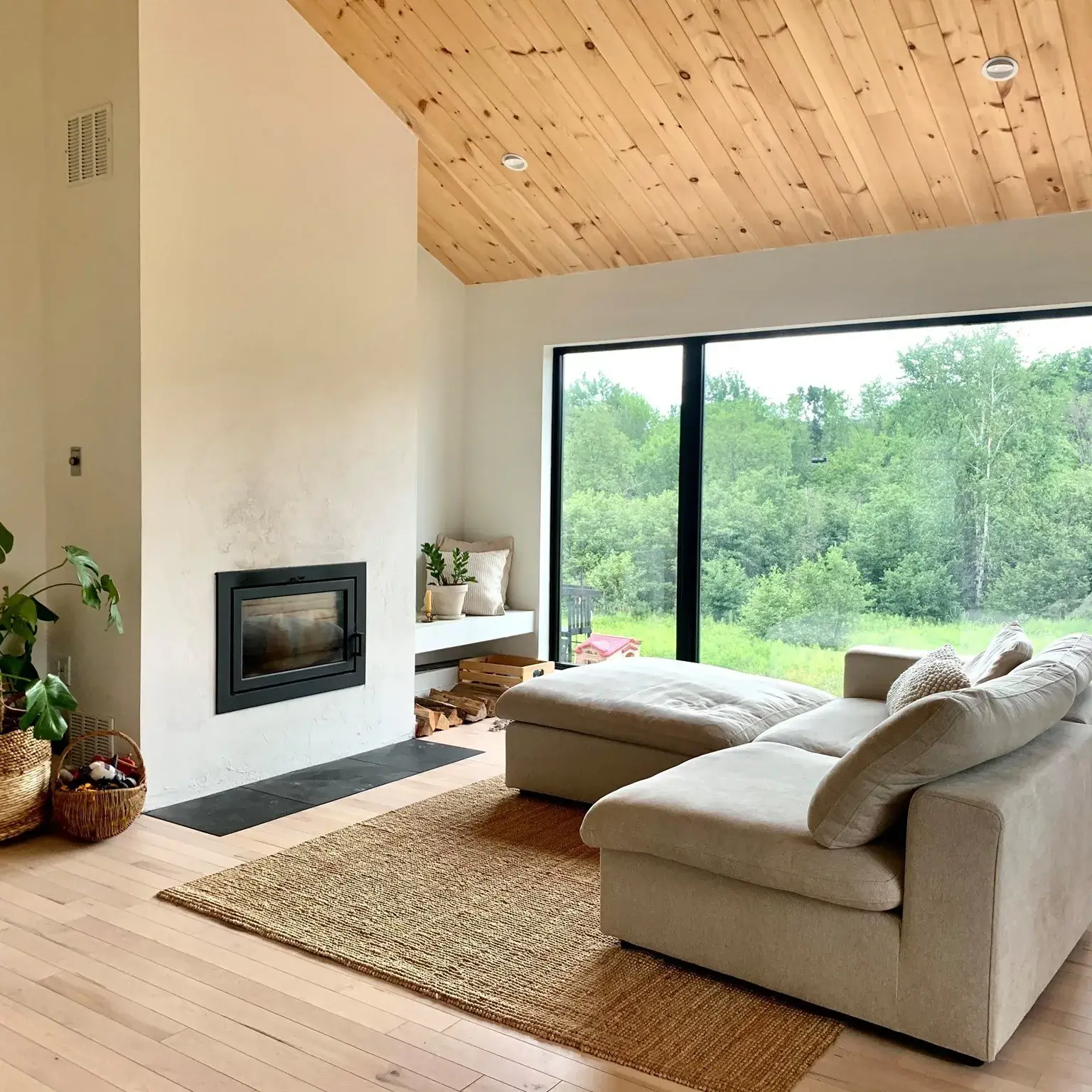
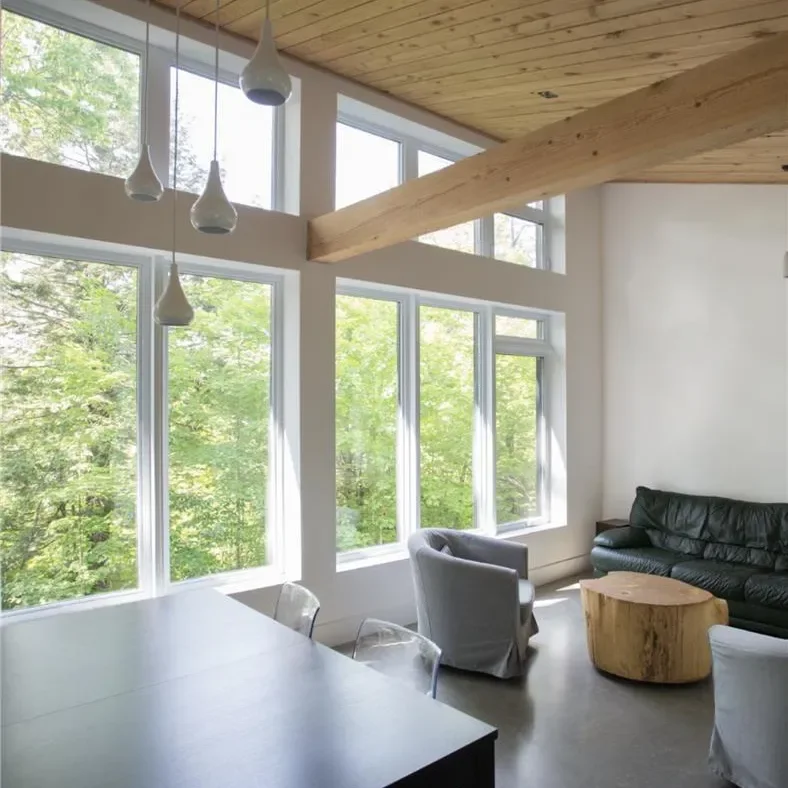
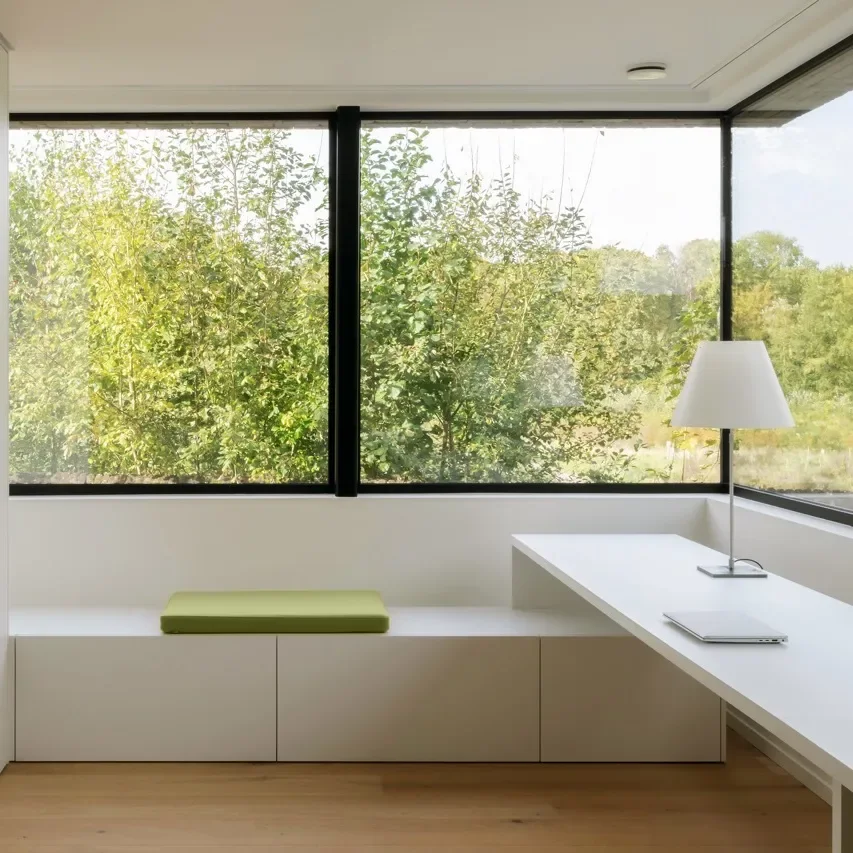
Big windows that let the light pour in, and a home that stays warm all winter.
Free quoteWith Series 2, Isothermic takes PVC where aluminum used to be the default: very large windows, in a more accessible solution. Its casement sash reaches 48 × 96 in. without reinforcement, a first for this type of window.
Passive House certified, it has a Uw value of 0.79 W/(m²·K). Measured against the ENERGY STAR threshold, that means about 35% less heat transmitted and 54% more insulating capacity.
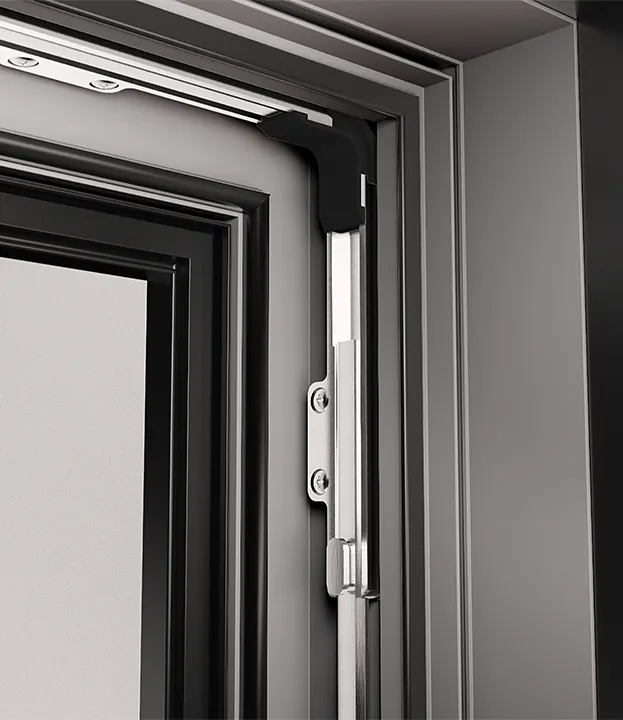
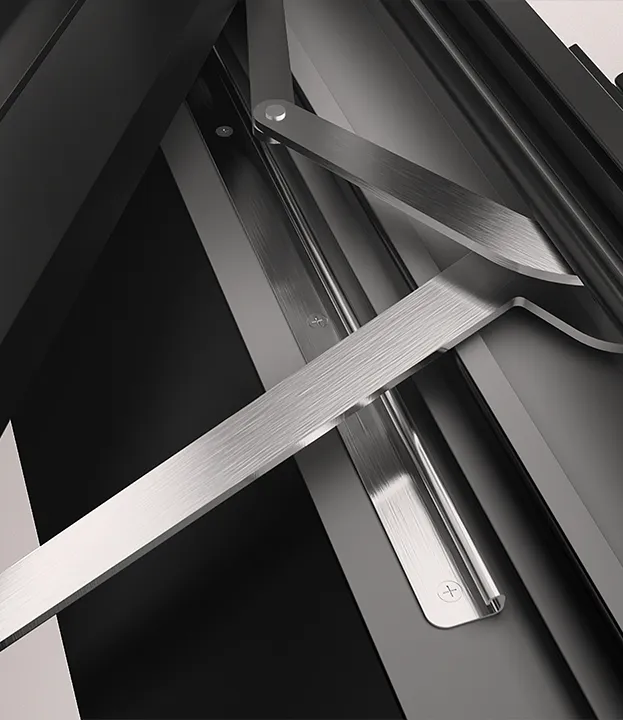
It fits naturally into Novoclimat, LEED and BREEAM projects. Its stainless steel ROTO hardware, made in Germany, is built to stay precise for decades.
In the Isothermic lineup, this is "the best choice": the series to look at when you want large windows without giving up comfort in winter.
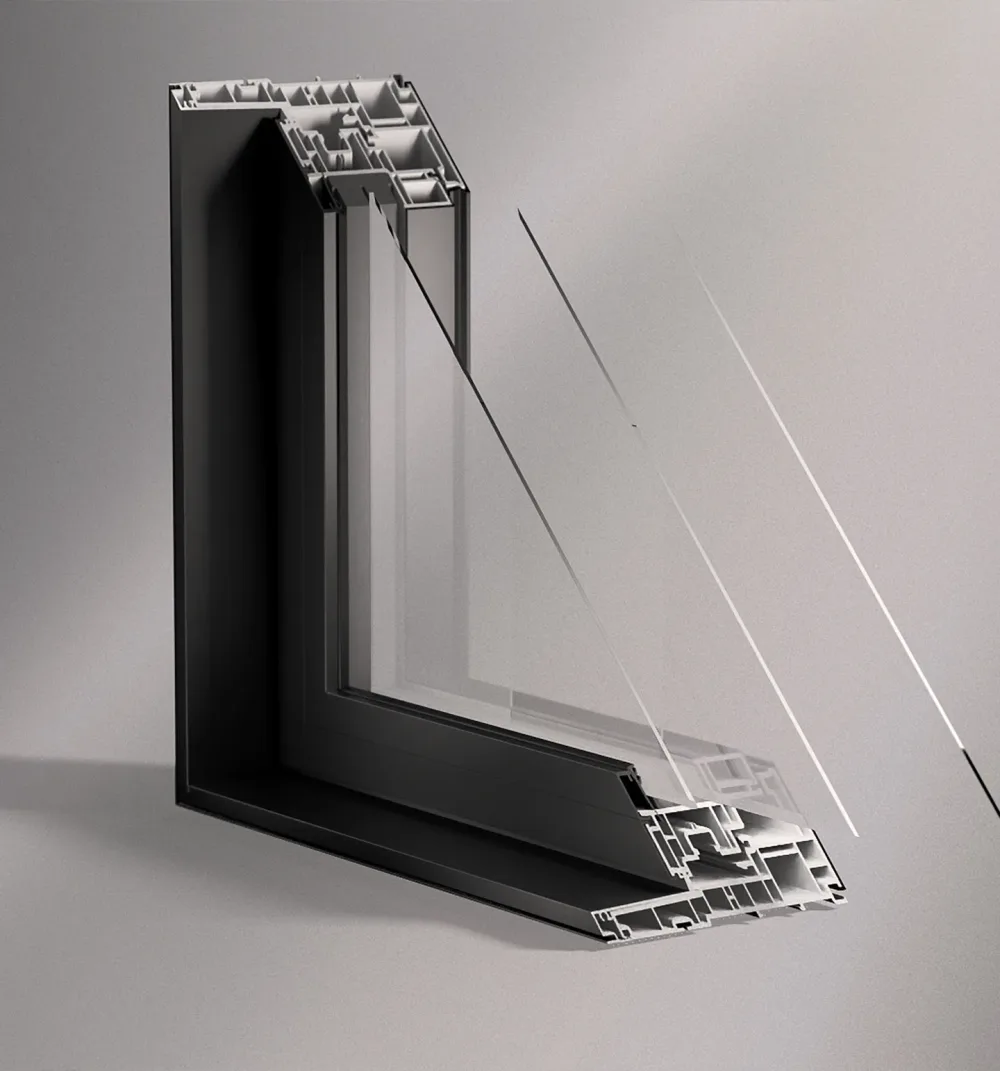
A triple-pane window has three panes of glass instead of two, separated by two sealed spaces. Each space slows the heat trying to get out. The result: the inner pane stays warmer in winter.
That is where you feel it day to day. You can sit beside a large window in January without a chill down your back, and less fog forms on the glass.
Triple glazing makes the most sense in three cases.
Every bit of heat loss adds up.
They are the ones that cool down fastest.
When the project is aiming for low energy use.
It calls for a larger budget than double glazing, and it is heavier. For a small, well-oriented bedroom window, Series 1 with double glazing often does the job very well. We will tell you so.
In Series 2, 44 mm triple glazing is standard. Glass types and low-emissivity coatings are adjusted to the orientation of each wall.
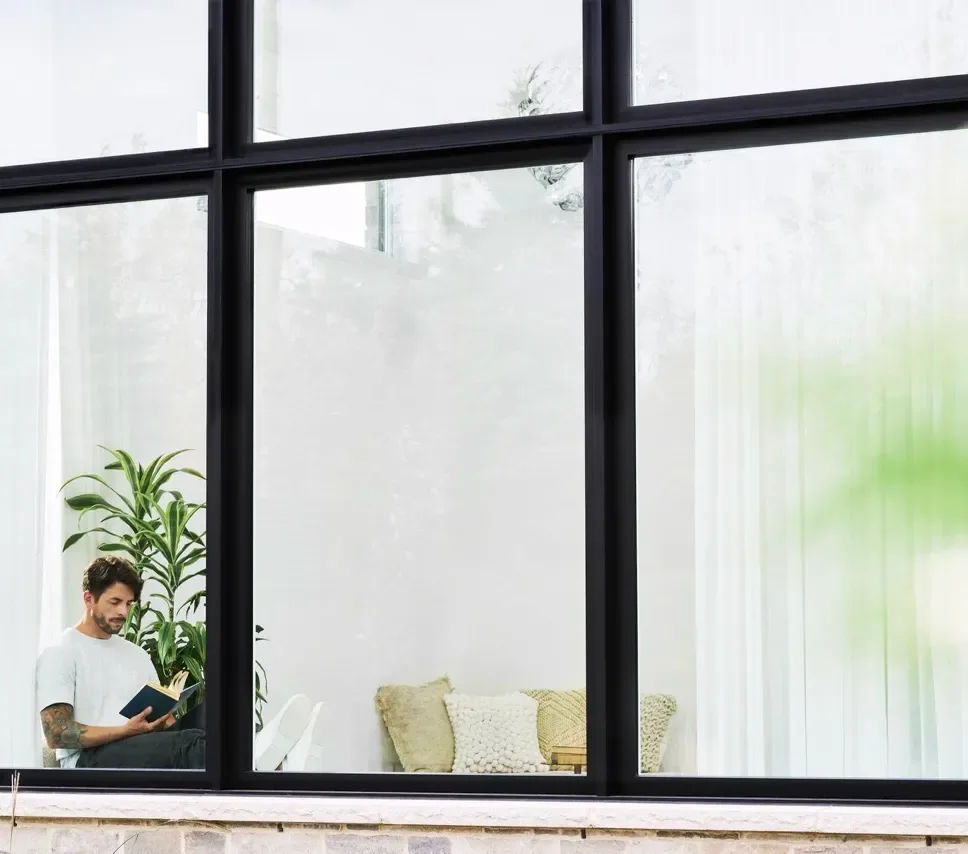
Passive House is an international standard for buildings with very low energy use. A certified window has proven, through testing, a level of insulation well beyond common requirements.
You do not need to build a passive house to benefit from it. It is the same window, installed in an ordinary home. And if your project really is aiming for passive house or net zero, see Series 3 as well.
Up to 48 × 96 in. in PVC without reinforcement: impressive picture windows without the cost of aluminum.
Uw 0.79: 35% less heat transmission than the ENERGY STAR threshold.
Customizable: Low-E glass types, thicknesses, heat gain or reduced heat loss depending on orientation.
Patented welding technology for clean corners and a flawless finish with no visible seams.
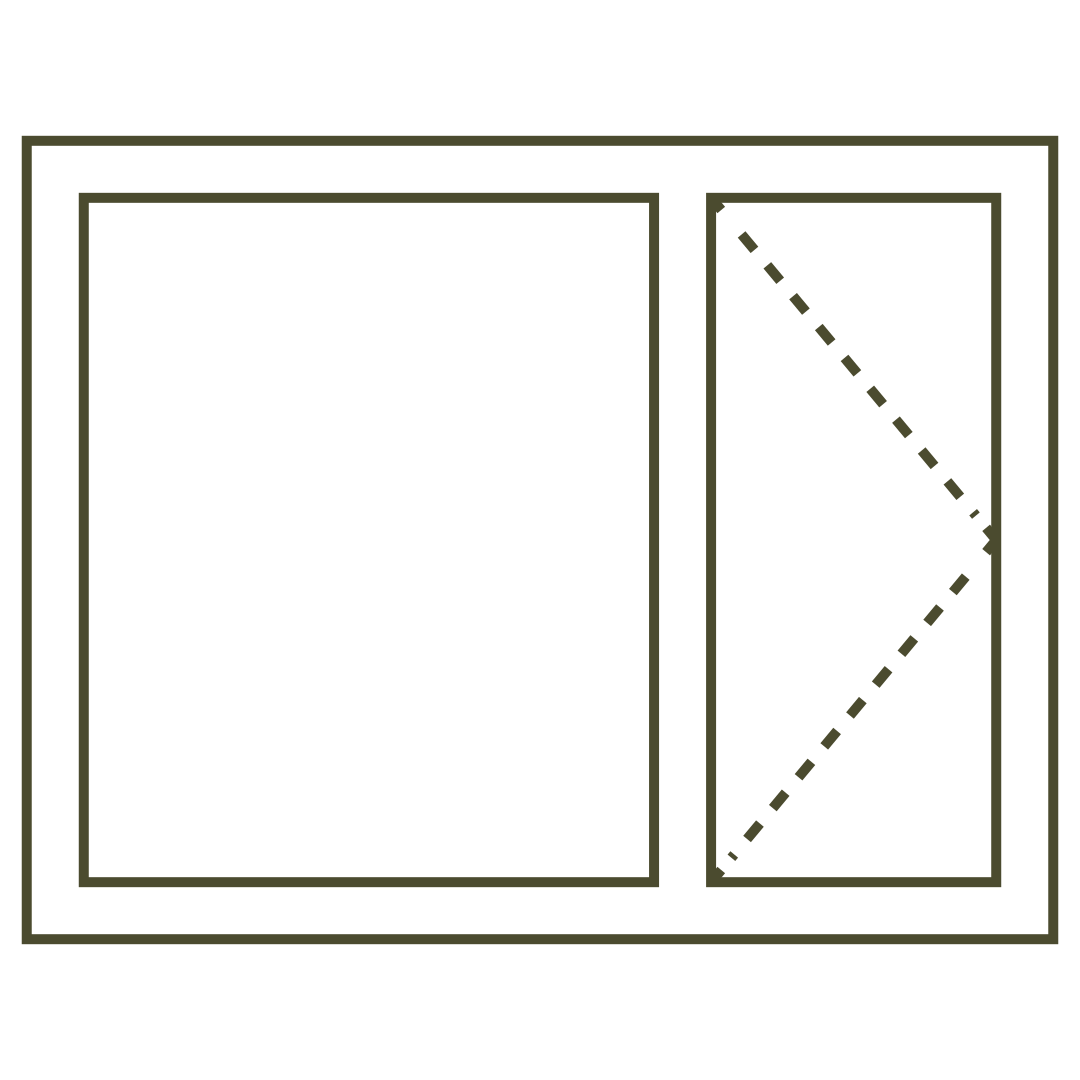
It pivots outward on side hinges. The casement is where Series 2 reaches 48 × 96 in. without reinforcement.
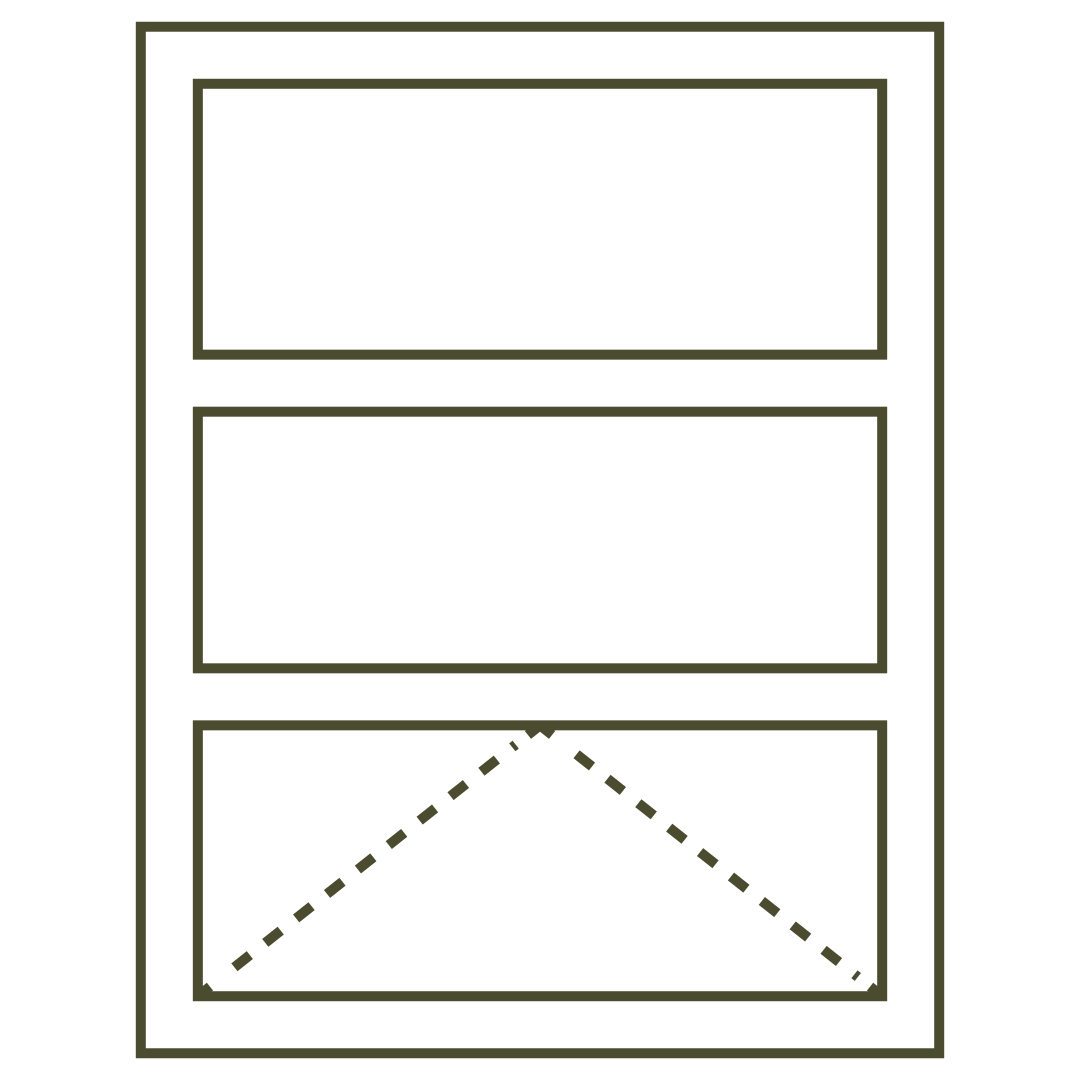
It tilts outward from the top, so you get fresh air without letting the rain in. Often set below a large fixed window.
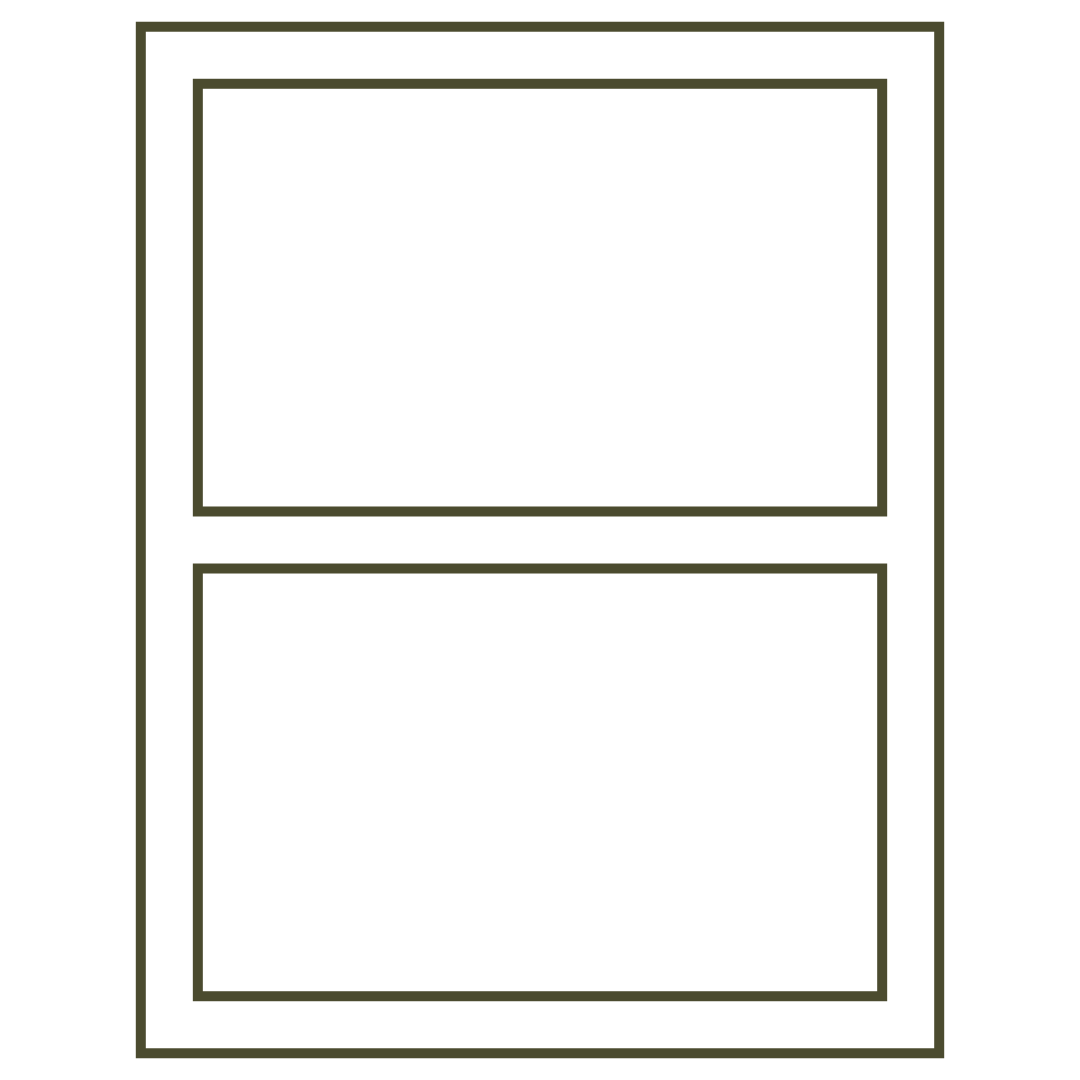
No operating sash: this is the one that gives the largest glazed areas, up to 75 × 123 in. in this series.

A trapezoid, a triangle or another custom shape, to dress a cathedral wall or the top of a facade.
Looking for a sliding or single-hung window? They are offered in Series 1.
Reliable and ENERGY STAR certified, for most renovations.
Passive House, large sizes without reinforcement, Uw 0.79.
PHI + PHIUS, Uw 0.60, net zero and LEED.

505, boulevard Taschereau, La Prairie Mon. to Fri., 8:30 a.m. to 5 p.m.
304, boulevard Sir-Wilfrid-Laurier, Mont-Saint-Hilaire Mon. to Fri., 8:30 a.m. to 5 p.m.
See the full range of Isothermic doors and windows offered by Construction Adexy.
Double glazing suits most windows in a home. Triple glazing is worth it on large glazed areas, on walls facing north or exposed to wind, and in projects aiming for low energy use. You can also combine both in the same house.
A triple-pane window is priced higher than a double-pane window of the same size. The gap depends on the size, the opening type and the material. To find out yours, the quote is on us: a representative measures on site, then sends you a detailed quote.
Yes, on the glass. The inner pane of a triple-glazed window stays warmer in winter, so less fog forms on it. Condensation also depends on the humidity level in the house: good ventilation is still needed.
Uw measures the heat passing through the whole window, frame and glazing together. The lower the number, the better the window insulates. At 0.79 W/(m²·K), Series 2 sits well below the ENERGY STAR threshold of 1.22.
Yes. Its Uw of 0.79 goes well beyond what the program requires, and it is Passive House certified on top of that. To understand the certification, see our page on Series 1 ENERGY STAR windows.
Yes, the third pane adds weight. Series 2 is designed to carry it: its frame and stainless steel ROTO hardware support large sashes without reinforcement.
A casement goes up to 48 × 96 in. without reinforcement, a fixed window up to 75 × 123 in., and an awning up to 75 × 48 in. or 42 × 84 in.
Yes. It is often chosen for new builds, but it is also installed in renovations, especially to replace a large picture window or enlarge an opening. We check the existing opening when we take measurements.
Both have 44 mm triple glazing. Series 3 pushes insulation further, with a Uw of 0.60 compared with 0.79 for Series 2. It is worth a look for a passive or net-zero home. For large, high-performance openings, Series 2 is enough in most projects.
PVC, hybrid or double hybrid. Only the cladding changes: 44 mm triple glazing is always included.
A patented technique for welding the corners of the frame. The corners are crisp, without the weld bead you see on many PVC windows.
Most likely: our service area takes in 39 towns around our two showrooms, including Longueuil, Brossard, Saint-Bruno-de-Montarville and Beloeil. Check yours on our service area map.
It is hard to say before we have seen the job: how many windows there are, how big they are and how easy they are to reach all play a part. You get the schedule after we meet, once everything is confirmed. Our installers are certified, and our customers have very good things to say.
Yes. We install in every season. Our process and the products we use are adapted to cold weather.
Book an appointment at one of our two showrooms. An advisor will walk you through the Isothermic series and help you compare double and triple glazing.