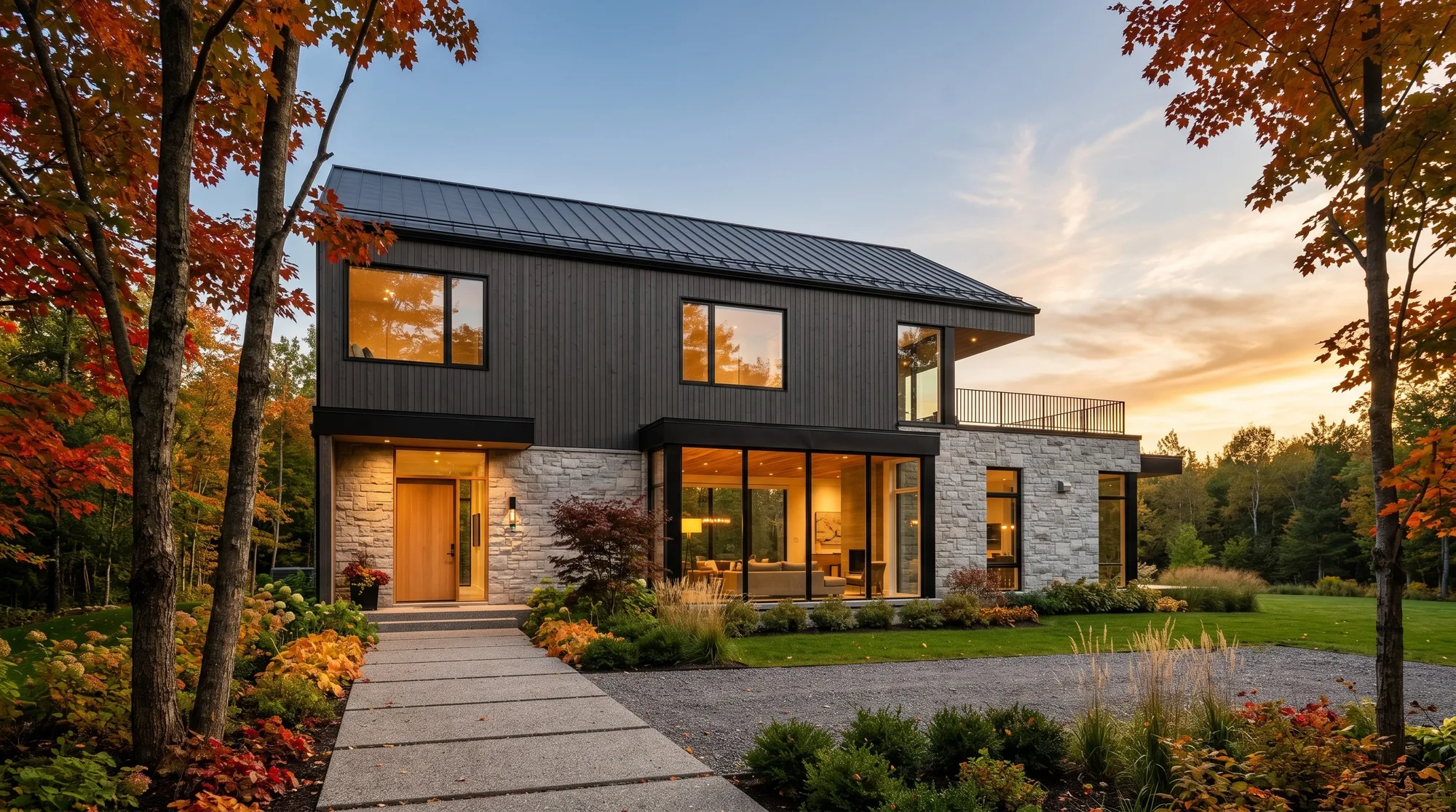
A home that holds its warmth, winter after winter: Isothermic's choice for the future.
Free quotePassive House (Passivhaus), LEED, Novoclimat, carbon neutrality, all the way to projects aiming for BREEAM Outstanding: Series 3 was designed with these programs in mind. It brings together energy efficiency, durability and rigorous design.
It is certified NFRC, NAMI, ENERGY STAR, AAMA, PHI and PHIUS. People choose it for a renovation meant to gain value over time, or for a new home where comfort and performance go hand in hand for decades.
As a PVC casement, its Uw goes as low as 0.60 W/(m²·K). Measured against the ENERGY STAR threshold, that is 51% less heat transmitted and 103% more insulating capacity.
In the Isothermic lineup, this is "the choice for the future": the series designed for homes built or renovated with the next thirty years in mind.
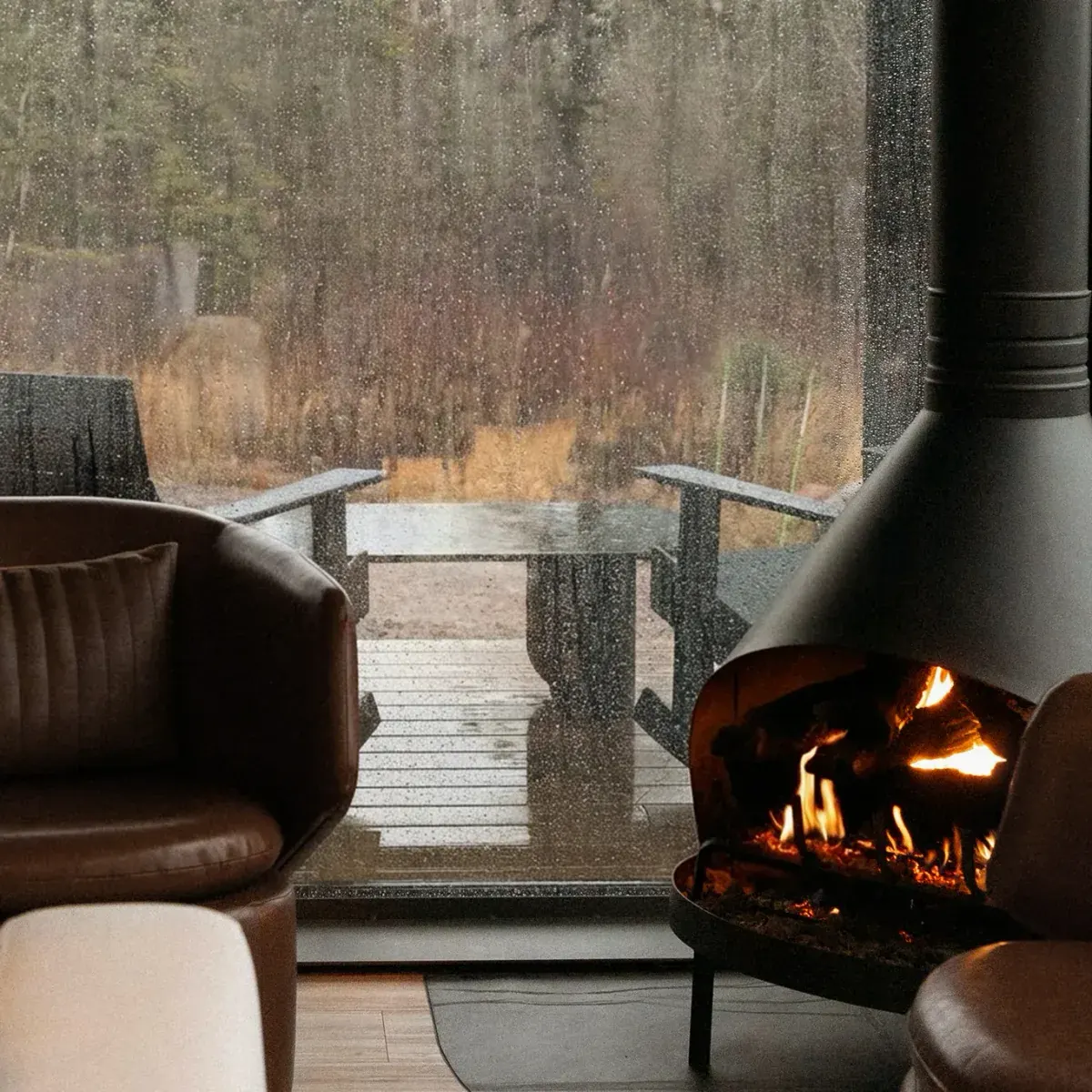
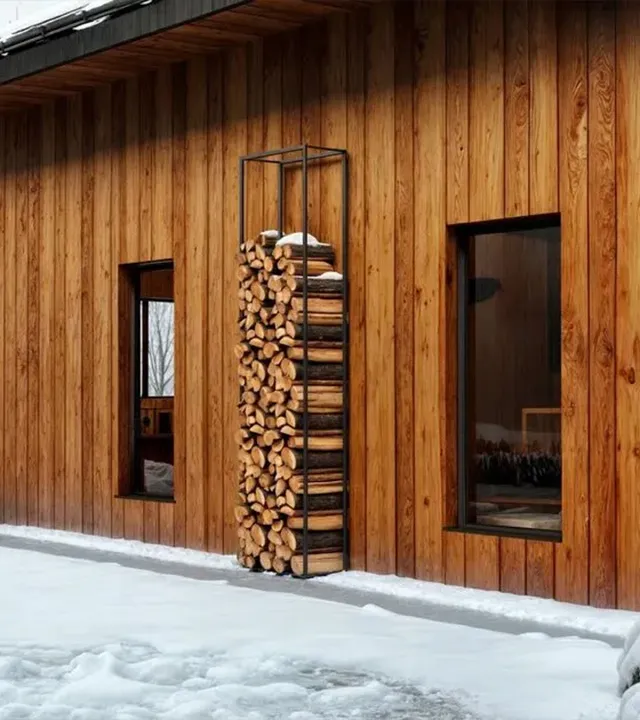
Passive House is an international standard for buildings that use very little energy. The principle is simple: a house so well insulated and so airtight that it needs very little heating, even in the middle of winter.
In a house like that, windows are the most delicate part of the envelope. A Passive House certified window has proven, through testing, that it insulates well enough not to become the weak link: a frame designed to eliminate thermal bridges, triple glazing, careful sealing.
Series 3 holds both certifications.
From the Passive House Institute, the German institute behind the standard.
Its North American counterpart, whose criteria take local climates into account.
The whole series comes with 44 mm triple glazing. To understand what triple glazing changes day to day, see Series 2.
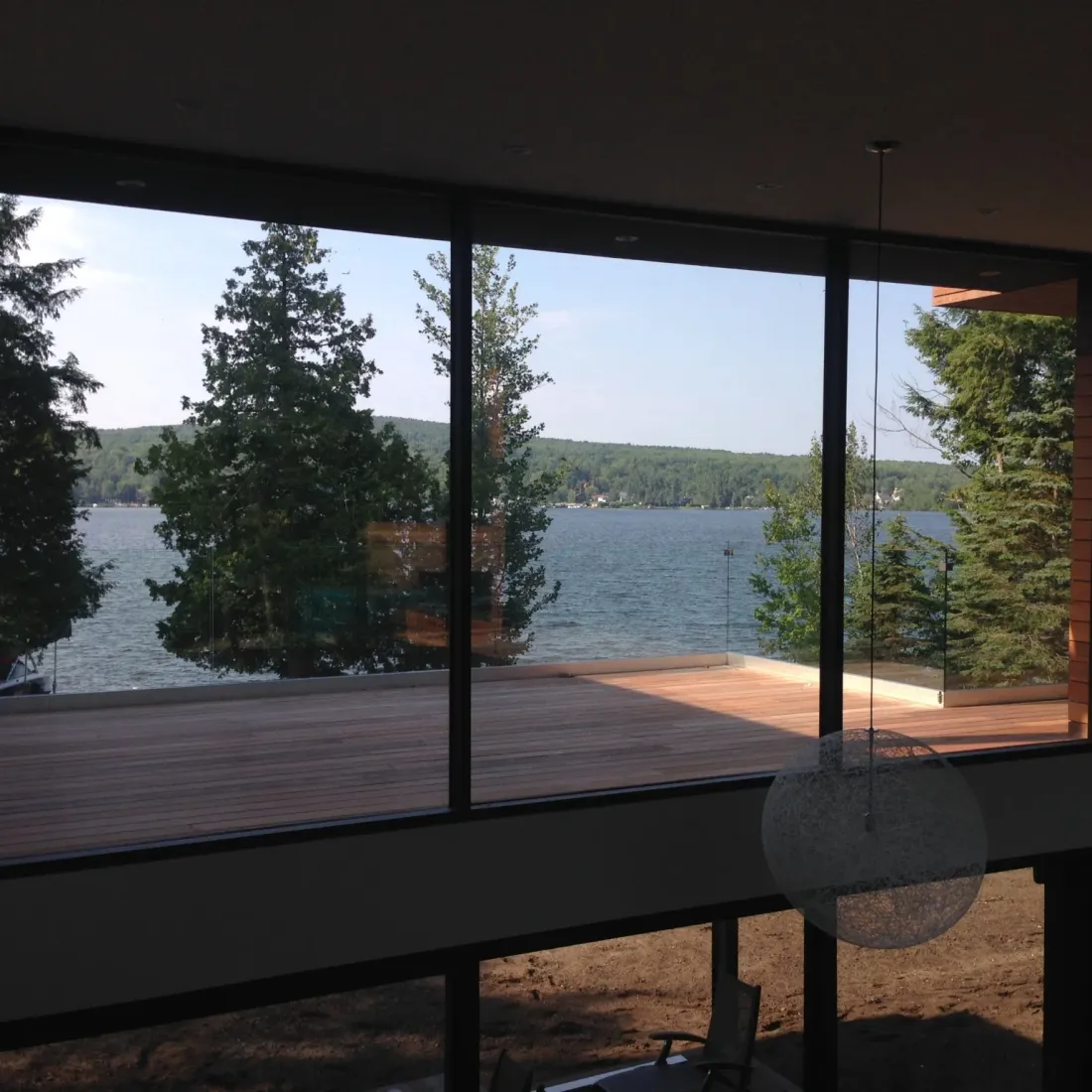

Three kinds of projects, mainly.
If your project is aiming for a building certification, your windows need to match the rest of the envelope. That is what Series 3 is for.
Passive House, LEED, Novoclimat, carbon neutrality: the series was designed for these programs.
When you are redoing the whole envelope, it is the time to choose windows you will not regret in twenty years.
And if your project is not aiming for any certification? Series 2 already offers 44 mm triple glazing and a Passive House certification. We look at your project with you and tell you which one makes sense.
Dual Passive House certification, one of the most demanding building standards. An asset for net-zero projects.
The lowest Uw value offered by Isothermic: heat transmission is cut by 51% compared with the ENERGY STAR threshold.
European-inspired performance and sizes, designed for North American opening systems.
44 mm of configurable glazing: Low-E, thicknesses, heat gain or acoustics depending on orientation and project.
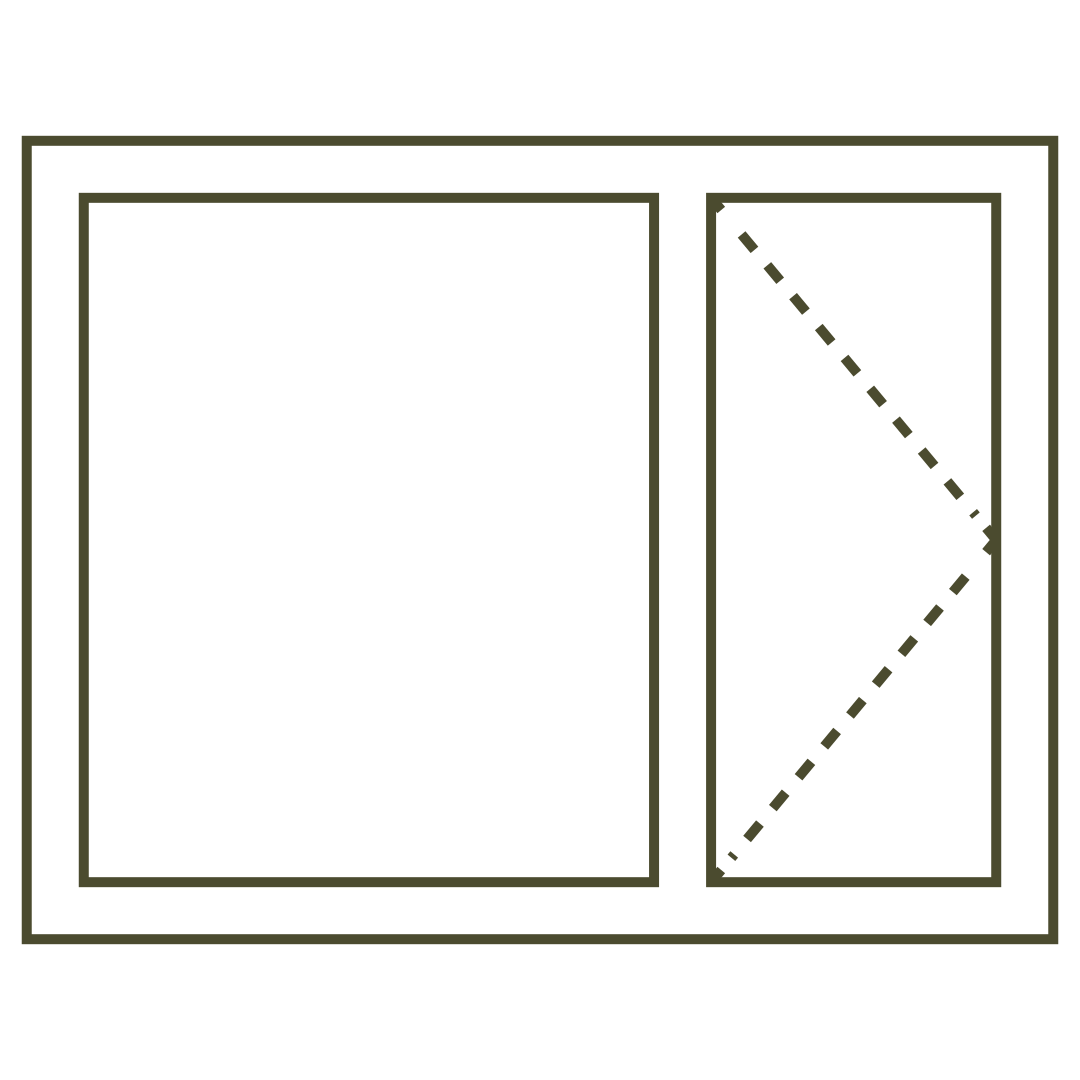
The PVC casement is where Series 3 reaches its Uw of 0.60. The one to choose for rooms you air out every day.
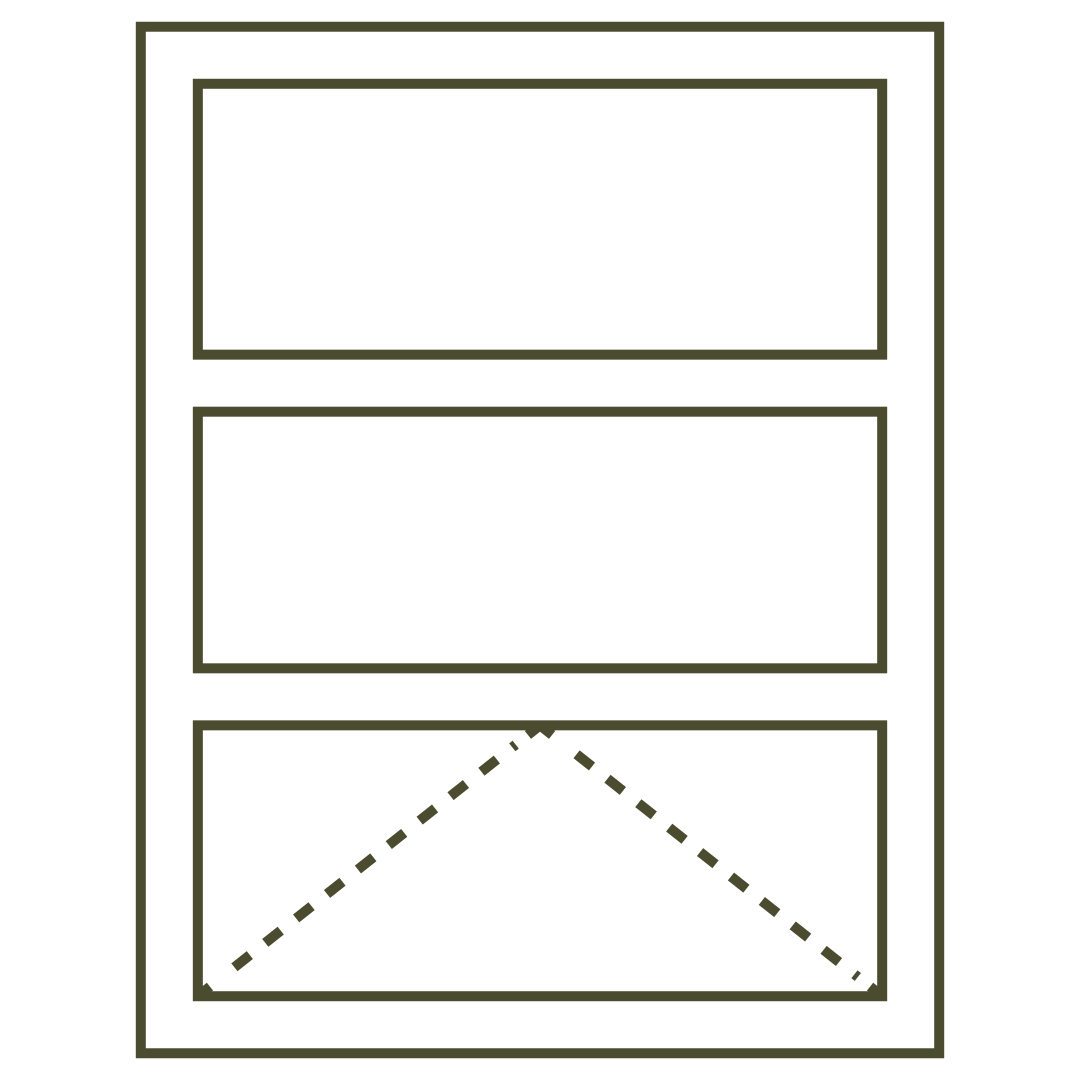
Its sash lifts from the bottom and shields the opening from rain. Handy high on a wall, or to ventilate a bathroom.

The most airtight type, since it has no moving part. The natural choice for the big views.
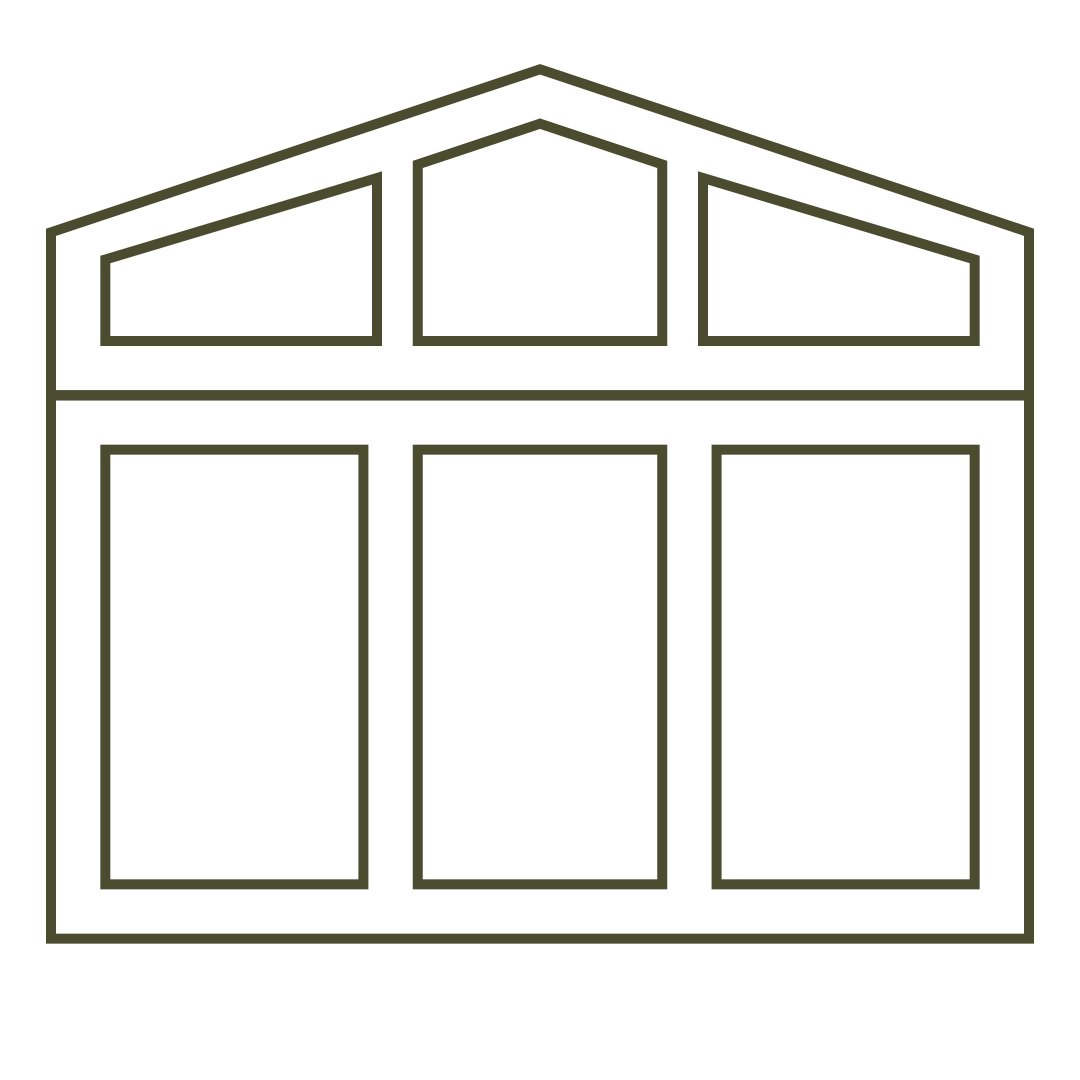
Shapes drawn for your project, when the house steps away from straight lines.
Would you rather have a sliding or single-hung window? Both are part of Series 1.
ENERGY STAR and dependable, for most renovations.
Triple glazing, Passive House and very large openings.
PHI + PHIUS, Uw 0.60, net zero, LEED, BREEAM Outstanding.
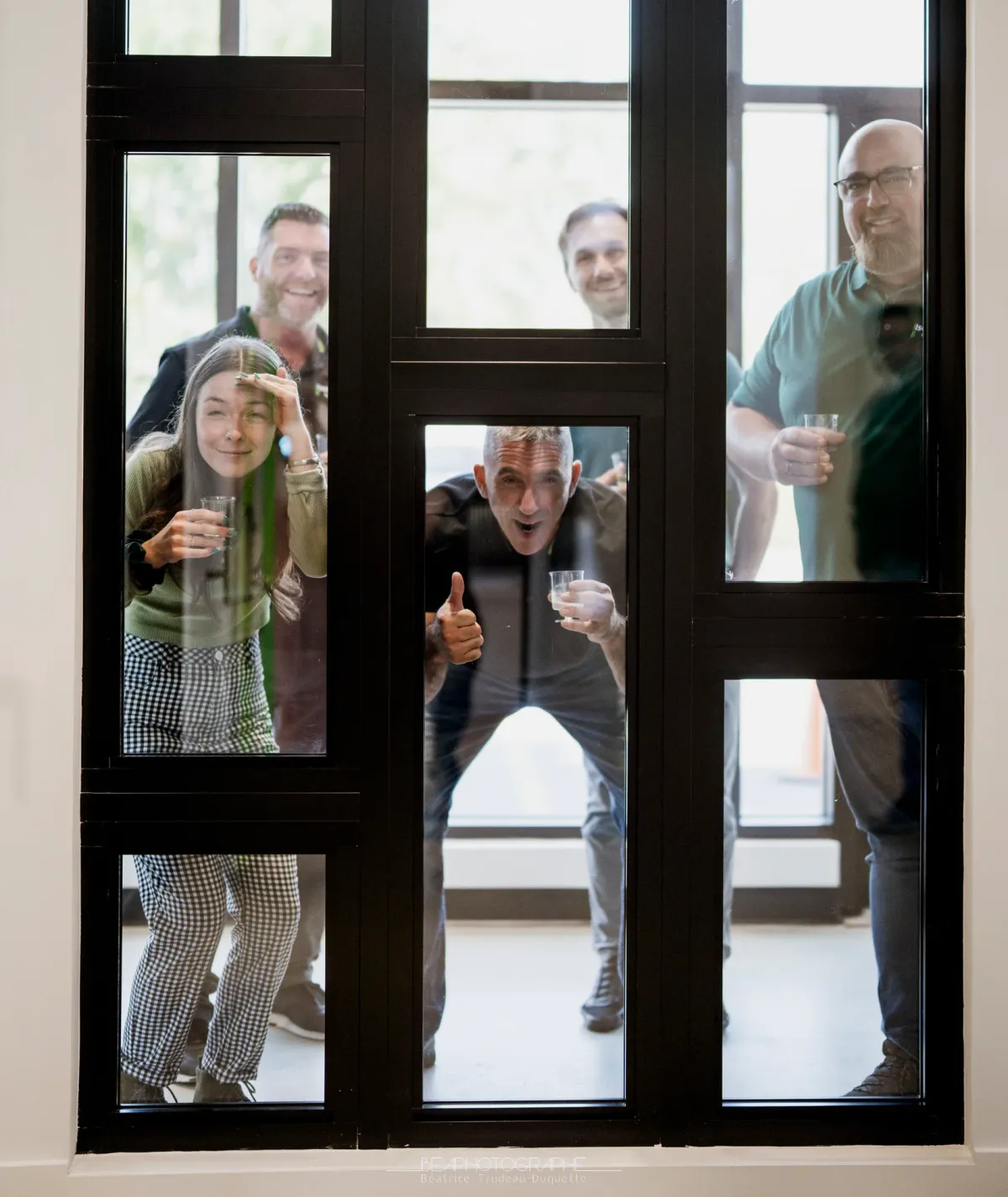
A passive house project comes down to the details. Our own crews install your Series 3 windows, and you deal with the same team from start to finish.


505, boulevard Taschereau, La Prairie Mon. to Fri., 8:30 a.m. to 5 p.m.
304, boulevard Sir-Wilfrid-Laurier, Mont-Saint-Hilaire Mon. to Fri., 8:30 a.m. to 5 p.m.
See the full range of Isothermic doors and windows offered by Construction Adexy.
They are two Passive House certification bodies. PHI, the Passive House Institute, is the German institute behind the standard. PHIUS is its North American counterpart, with criteria adapted to local climates. Series 3 is certified by both.
No. The certification applies to the window, not the house. You can install Series 3 windows in an ordinary home and benefit from their insulation.
A home designed to need very little heating: thick insulation, careful airtightness, high-performance windows and ventilation that recovers heat from the outgoing air.
It is a home that produces as much energy as it uses over a year. To get there, you first reduce the heating demand. Highly insulating windows are part of that first step.
Uw tells you how much heat passes through the window, frame included. At 0.60 W/(m²·K), Series 3 lets through about half as much as the ENERGY STAR threshold, which is set at 1.22.
ENERGY STAR asks for a U-factor no higher than 1.22 W/(m²·K), or an Energy Rating of at least 34. Passive House goes much further and is meant for buildings with very low energy use. Series 3, with its Uw of 0.60, meets both. For the details of the certification, see our Series 1 ENERGY STAR windows.
Novoclimat is a Quebec program for new homes that are more energy efficient than the Construction Code requires. Passive House is an international standard, more demanding, focused on very low heating needs. The two point in the same direction, and Series 3 was designed for both.
It depends on the project. It makes the most sense when the rest of the house keeps up: insulation, airtightness, ventilation. You gain comfort near the glass and lower heating needs for the whole life of the window. In a house whose envelope is staying as it is, Series 2 often strikes the right balance.
Both are Passive House certified and have 44 mm triple glazing. Series 3 insulates more: its Uw is 0.60, against 0.79 for Series 2. It is the choice for a passive house, net-zero or LEED project. For large, high-performance windows without aiming for a building certification, Series 2 is often enough.
Series 3 is the most premium of the three Isothermic series. Pricing varies with the size of the windows, how they open and the glazing selected. For an exact price, we come to your home to take the measurements: the quote is free and detailed.
Yes, especially when the insulation and airtightness of the house are being redone at the same time. We talk it through with you during the visit, so the windows are consistent with the rest of the work.
The series was designed to fit into these programs. Eligibility, however, is decided at the building level: your architect or energy advisor confirms the requirements of the program you are aiming for.
Some assistance programs support energy-efficient renovations. The terms change often: these details date from October 2026, so check the official websites. Our team will tell you what applies to your project.
Yes. Isothermic manufactures its windows in Quebec, for the local climate.
Our team travels to 39 towns, from the nearby South Shore to the Richelieu Valley. Check the map to find yours.
Every job is different: after the visit and once the project is confirmed, we give you a clear schedule. We install year-round. Our process and the products we use are adapted to cold weather. Certified installers do the work, and the reviews from our customers speak for themselves.
Yes, by appointment in La Prairie or Mont-Saint-Hilaire. An advisor explains what sets the three series apart and answers your questions about certification.